
If you’ve ever Googled “electrician call out fee”, “after hours electrician cost”, or “electrician cost per hour near me”, you’ve probably noticed one thing fast: most sites either don’t mention pricing at all, or they throw out a single number that doesn’t reflect real-world jobs.
At Luxen Electrical Group, we’re licensed electricians with 10+ years’ experience, servicing Melbourne’s Mornington Peninsula, Bayside, and Bayswater. This guide explains how electrician pricing typically works in Victoria so you can compare quotes properly, understand what you’re paying for, and book with confidence.
Why electrician pricing isn’t “one-size-fits-all”
Electrical work isn’t like buying a product off a shelf. The cost depends on:
-
What the fault is (simple fix vs complex diagnosis)
-
How long it takes (access, wiring condition, required testing)
-
When you need the job done (business hours vs after hours/weekends)
-
Parts and compliance (quality materials, testing, certification)
That’s why two homes can have the same symptom like “power keeps tripping”—but very different final costs once the electrician finds the real cause.
The main ways electricians charge (and what each means)
1) Call-out fee (or attendance fee)
A call-out fee usually covers the electrician coming to your property and beginning initial inspection/diagnosis. It often accounts for:
-
travel time and vehicle costs
-
the first portion of labour on-site
-
basic testing and fault-finding setup
This is the most common pricing model for repairs, faults, and urgent jobs.
2) Hourly rate (labour)
Many electricians charge labour per hour (or per half-hour after an initial block). This applies once the job goes beyond the included call-out portion, or for larger jobs like:
-
switchboard work
-
rewiring sections of a home
-
complex troubleshooting
-
multiple installs in one visit
3) Fixed-price jobs (quote per task)
For common installations, some electricians will quote a fixed price (often after confirming site conditions), such as:
-
adding a power point
-
ceiling fan installation
-
replacing a light fitting
-
smoke alarm installation
Fixed pricing is great when the scope is predictable—less so when a job needs fault-finding first.
What affects the price the most (real-world cost drivers)
Time and complexity
Electrical problems can be “easy” or deceptively complex.
Example:
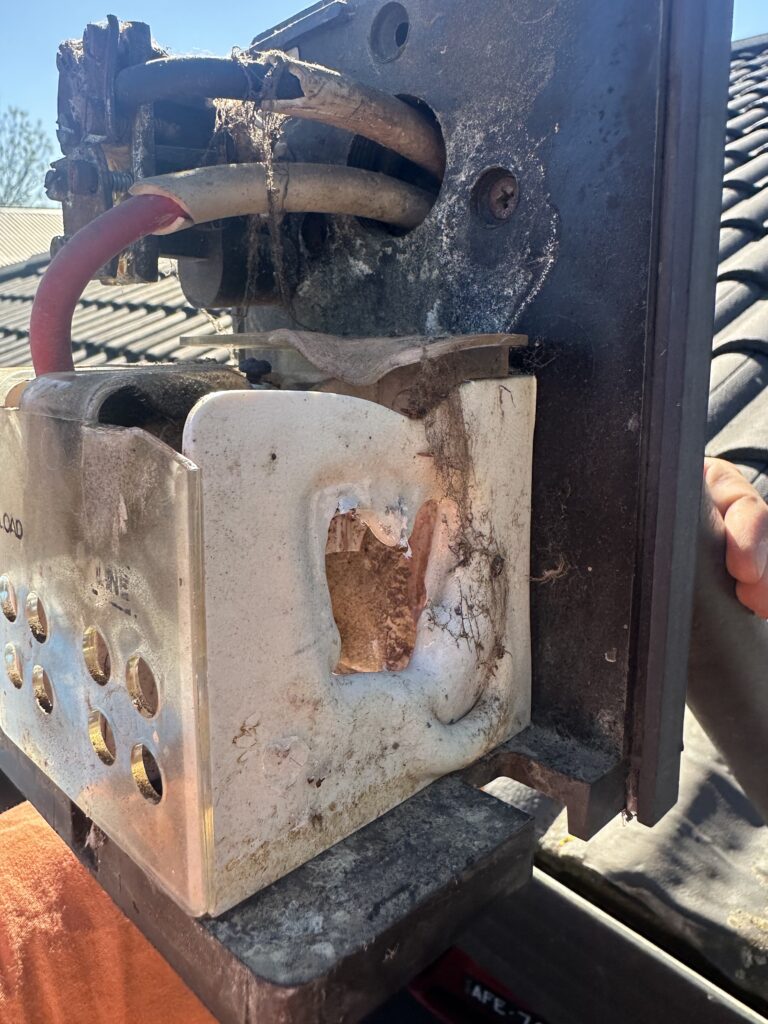
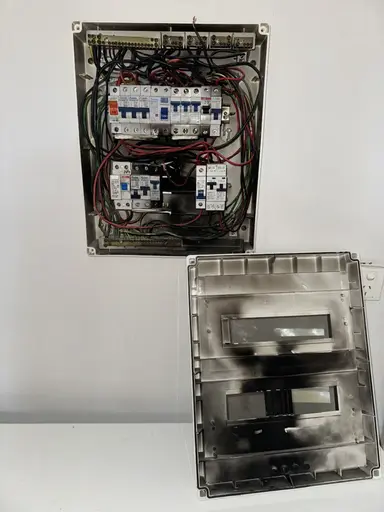
A “burning smell from a power point” might be a quick fix… or it might reveal damaged cabling, overheating connections, or a broader load issue that needs deeper testing.
Access and environment
Costs can increase if the electrician needs to work:
-
in tight roof spaces
-
under floors
-
behind tiled walls
-
in older switchboards
-
in weather-exposed outdoor areas
Parts and materials
Not all materials are equal. Quality fittings, RCDs, breakers, surge protection, and compliant cabling matter. Cheaper components can fail sooner and cost more long term.
Compliance and testing
In Victoria, many electrical works require proper testing and documentation. That’s not “extra fluff” it’s part of doing the job safely and professionally.
Emergency, after-hours, and weekend work
This is a big one. After-hours electrician cost is typically higher because:
-
you’re paying for immediate availability
-
it’s outside standard operating hours
-
emergency work often includes urgent diagnostics and safety isolation
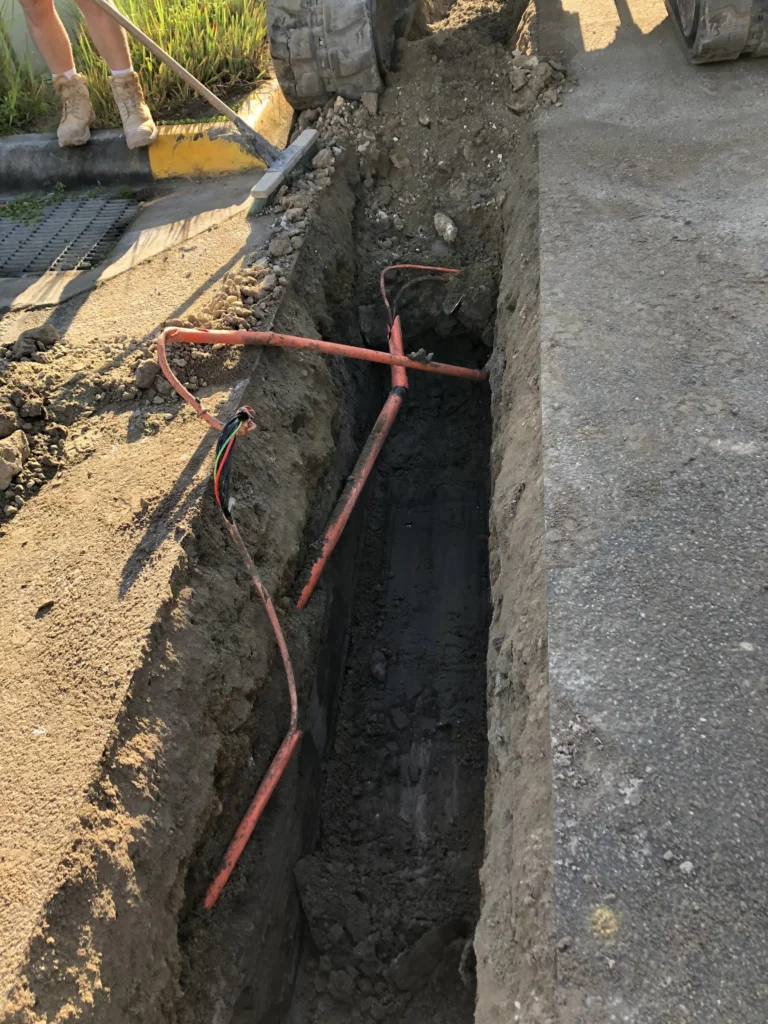
After-hours and emergency electrician pricing: what to expect
When people search “emergency electrician cost”, they usually need help fast—power outage, burning smell, sparks, tripping safety switch, or loss of essential circuits.
The key thing to know:
-
You’re often paying for response + priority, not just the repair itself.
-
The “repair” might be quick, but finding the fault safely can take time.
-
A good electrician will explain what must be done immediately versus what can wait until business hours to save you money.
Tip for saving money in emergencies
Ask the electrician on the phone:
-
“Can you make the situation safe tonight and complete the permanent repair tomorrow if needed?”
Sometimes the smart move is: isolate the dangerous circuit, restore essentials safely, then return for a standard-hours follow-up.
What should be included in a proper quote?
When you’re comparing electricians, don’t compare price alone—compare what the price includes.
A solid quote should clarify:
-
call-out/attendance fee (if any)
-
labour rate and minimum charge blocks
-
after-hours/weekend loading (if applicable)
-
parts and materials (and whether they’re included)
-
testing and compliance paperwork
-
warranty/guarantee on workmanship
-
what’s excluded (e.g., patching plaster, painting)
If a quote is vague, that’s often where “surprise costs” come from.
Red flags that can cost you more later
Be cautious if you see:
-
No licence details or vague business information
-
Extremely cheap pricing without inspection (especially for faults)
-
“Cash only” discounts without paperwork
-
No mention of testing, compliance, or warranty
-
Pressure tactics (“you must replace the whole switchboard right now” without evidence)
A good electrician should be able to explain the issue, the options, and the safety reasoning in plain English.
How to get an accurate price fast (without wasting time)
If you want an accurate estimate over the phone, have these ready:
-
What’s happening? (tripping, sparks, outage, smell, buzzing, flickering)
-
When did it start? (sudden vs ongoing)
-
What’s affected? (one room vs whole house)
-
Any recent changes? (new appliance, renovations, storms)
-
Photos of switchboard, affected outlets, or error lights (if safe)
This helps the electrician determine whether it’s likely a quick fix or a deeper fault-find—and price accordingly.
Common pricing questions (quick answers)
“Is an electrician call-out fee normal?”
Yes. It’s common for troubleshooting and urgent repairs because the electrician needs to attend, test, and diagnose before quoting the true scope.
“Why do two electricians quote very different prices?”
Different inclusions (testing, compliance, quality of parts), different assumptions about the fault, and different after-hours policies can all change the final number.
“Should I choose hourly or fixed price?”
-
Fixed price: best for straightforward installs
-
Hourly: best for fault-finding and unknown issues
Frequently Asked Questions
A call-out fee is the charge for an electrician to attend your property and begin initial inspection/diagnosis. It often includes travel and a portion of on-site labour.
After-hours rates are higher because you’re paying for urgent availability outside standard business hours, often with priority response and emergency safety work.
Emergency pricing varies widely depending on time of day, urgency, and whether the job is diagnosis-only or includes repairs and parts. The best approach is to ask for a clear breakdown of call-out, labour, and after-hours loading before booking.
Many electricians use both: fixed prices for standard installs (like adding a power point) and hourly rates for faults and troubleshooting where the scope isn’t known upfront.
Complex faults, poor access (roof/floor spaces), older wiring/switchboards, urgent after-hours attendance, and the need for compliant parts and testing can increase costs.
For straightforward install jobs, often yes. For faults and tripping circuits, an on-site inspection is usually needed because the cause can’t be confirmed remotely.
Ask for a written breakdown of call-out, labour blocks, parts, after-hours loading, and what’s included (testing/compliance). Also ask what could change the price once fault-finding begins.
Often yes-if it’s safe to wait. If there’s burning smell, sparks, overheating, or repeated tripping, it may be unsafe to delay. A good electrician can advise whether immediate attendance is necessary.
Need a transparent quote in Mornington Peninsula, Bayside, or Bayswater?
If you’re searching for a licensed electrician and want clear pricing, we can talk through what’s happening and explain the most likely cost drivers before we arrive especially for call-outs, urgent jobs, and after-hours work.
Luxen Electrical Group services Melbourne’s Mornington Peninsula, Bayside, and Bayswater with honest advice, compliant workmanship, and safety-first repairs.